Which comfort features matter most in outdoor dining chairs?
Comfort in outdoor dining chairs comes down to four things: a seat that supports the body, a back that encourages relaxed posture, enough room to eat and move, and materials that stay pleasant in outdoor conditions. Style matters, but a chair that looks good and feels stiff after a short meal will not get much use.
Resin patio furniture is a practical choice for many patios, pool areas, gardens, and commercial dining spaces because resin can be shaped into clean profiles, lightweight forms, and stackable designs. The comfort question is not simply whether the chair is padded. In outdoor settings, shape, spacing, surface feel, and stability often matter more than softness.
Start with the seat
The seat is the first place comfort is felt. A flat slab may look tidy, but it can put pressure on the same areas during a long meal. A slightly contoured seat helps spread weight and gives the body a natural place to settle. The front edge should not dig into the backs of the thighs, and the surface should feel smooth where clothing and skin make contact.
Seat depth is worth checking. A seat that is too deep can make a small sitter slide forward, while a shallow seat can leave larger sitters feeling unsupported. For dining, the chair should let a person sit upright enough to reach the table without perching on the front edge. That balance is especially useful when chairs are used for everything from coffee to dinner.
Width also changes the feel of a chair. Narrow chairs can fit more places around a table, but they may feel confined. Wider chairs give the shoulders and hips more freedom, which helps when people linger. If the setting is tight, it may be better to choose a comfortable compact chair than a broad one that has to be squeezed into the layout.
Look at the back and arm support
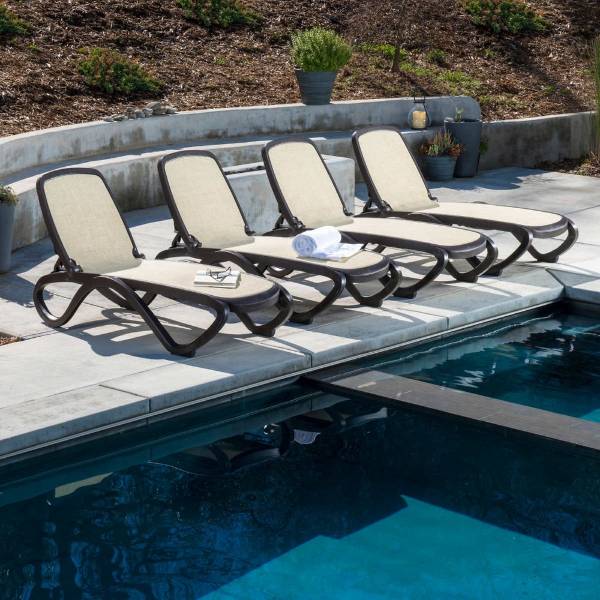
A dining chair back does not need to be heavily padded to feel good. It needs to meet the lower and middle back at a useful angle. A back that is too upright can feel formal and tense. One that leans too far may be relaxing, but it can make leaning toward the plate awkward. A modest recline is usually the easier fit for shared meals.
Open slats, woven details, or molded contours can all work, provided there are no sharp edges or pressure points. If the back is too low, it offers little support. If it is too high or bulky, it can crowd the space around the table and make chairs harder to tuck in.
Arms can improve comfort, especially for older guests or anyone who likes support when standing. They also give the body a resting position during a long conversation. The trade-off is space. Armchairs usually need more room between settings, and they can catch on table edges if the table apron is deep. In smaller dining areas, armless chairs often create a calmer, more flexible arrangement.
Match chair dimensions to the table
Comfort is not only about the chair on its own. It also depends on how the chair works with the table. Chair dimensions and table height should be considered together. A standard dining table works best with seats that place the forearms near table level, allowing the shoulders to stay relaxed. If the seat is too low, the diner has to lean forward. If it is too high, the knees may feel cramped under the tabletop.
Leave enough space between chairs so people can sit and stand without bumping elbows. A crowded table can make even a well-shaped chair feel uncomfortable. The same applies to clearance behind each seat. A chair may feel fine when pulled out in an open room, but frustrating if it opens onto a narrow walkway.
In spaces where tables are moved for different uses, lighter chairs are easier to shift. Resin construction can help here, since many designs are light enough to rearrange without effort while still feeling stable once seated. Stability matters more than weight alone. A chair should not wobble on a flat patio surface or shift when someone leans slightly to pass a dish.
Consider how the material feels outdoors
Outdoor comfort changes with the weather. A chair that feels fine in the shade can become unpleasant when it sits in strong sun. Dark surfaces can feel warmer, while lighter tones often stay more comfortable to the touch. A textured surface may offer grip, but deep texture can collect dirt. Smooth molded resin is easy to wipe, though it can show dust more visibly in some colors.
Weather resistance is part of long-term comfort. A chair that fades, stains, or becomes rough at the edges will feel less inviting over time. Resin material is often selected for outdoor use because it does not have the same concerns as untreated wood or some metal finishes. It can also suit poolside settings where moisture, sunscreen, and frequent cleaning are part of normal use.
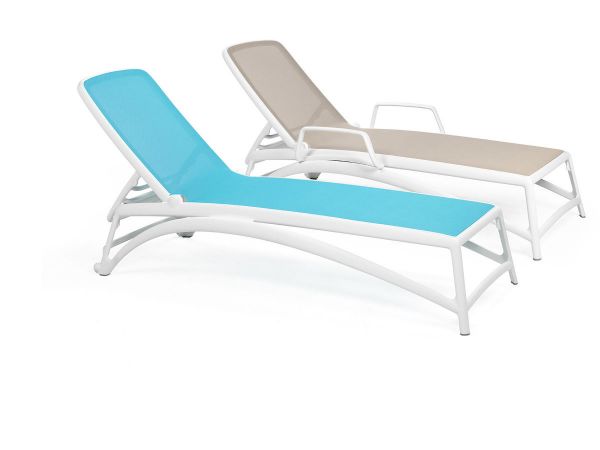
Nardi outdoor furniture is one example of resin seating often considered for patios and dining areas where clean lines and practical materials matter. Many people compare designs by looking beyond the overall shape and paying attention to seat contours, back support, and how easily chairs fit around a table.
Cushions can add softness, but they bring extra care. They need drying after rain, storage in bad weather, and regular cleaning. In humid settings, they may stay damp longer than expected. For a low-effort dining area, molded comfort can be more useful than a soft cushion that needs constant attention.
Think about storage and daily use
A comfortable chair is more valuable when it is easy to put away and bring back out. Stackable chairs are useful for patios, cafes, and shared dining spaces because they reduce clutter when tables are not in full use. The comfort test should include the stacked form as well: chairs should stack without scraping, catching, or placing pressure on delicate parts.
Stacking also affects the design of the seat and back. A chair built to nest neatly may have a slimmer frame and less padding. That is not a flaw if the molded shape is well judged. It simply means the buyer should look for support in the structure rather than expecting cushion-like softness.
Stackable chairs are also easier to move between indoor storage and outdoor use when seasons change. Lighter pieces can be carried by one person, while heavier designs may need two. This is a practical detail in commercial spaces, where seating may be set up and cleared often.
Check the small contact points
Comfort complaints often come from small details. Sharp corners at the arm ends, rough seams, or a raised lip under the seat can be more noticeable than the overall design. Running a hand over the chair before use can reveal these points. This is a simple check, and it is useful for any material.
Feet and glides matter too. Uneven feet can make a chair rock, and rocking is tiring during meals. On smooth patios, protective feet help reduce scraping and keep chairs from sliding too freely. On textured paving, slightly larger contact points can stop chairs from sinking or catching in gaps.
It is also worth checking that the chair does not trap water in areas where the seat meets the frame. Standing water is inconvenient and can leave marks. Good drainage helps a chair dry faster after rain and keeps it ready for the next meal.
Choose for the way the space is used
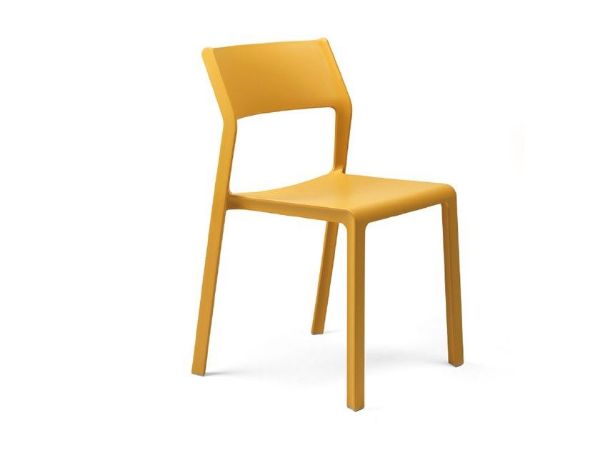
A family patio, a quiet garden table, and a busy poolside dining area do not all need the same chair. Family spaces benefit from chairs that are easy to clean and move. Garden dining may allow for softer shapes and more decorative details. Poolside areas need materials that handle moisture and frequent contact with wet clothing.
Nardi outdoor furniture can fit into these different settings when the design is matched to the space. In a narrow patio, armless chairs may make the table easier to use. In a sheltered garden, wider chairs can encourage longer stays. In a commercial dining area, consistency, stacking, and wipe-clean surfaces may matter most.
The best choice is rarely the chair with the most features. It is the one that supports a normal meal without fuss, fits the table, suits the setting, and remains easy to maintain. Comfort in resin patio furniture comes from that combination of shape, proportion, and practical use, not from a single detail on a product listing.